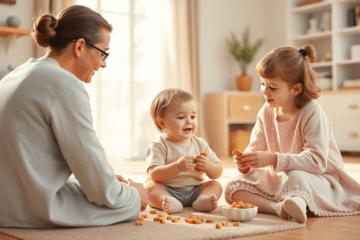
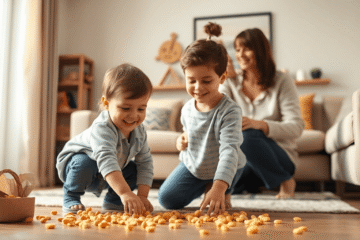
Imagine this: after a tiring day, your toddler is about to throw a tantrum, and out of nowhere, a soothing lullaby—just the right one—fills the room like a warm hug. In an instant, tears disappear, breathing calms down, and tranquility returns. Or perhaps it’s the song that plays while you clean up the toys—a goofy tune that turns chores into a fun dance party. These moments demonstrate how music effortlessly integrates into our daily lives, acting as a silent communication tool between you and your little one.
Parenting isn’t always smooth sailing. Some days feel like a messy orchestra with missed beats and off-key notes. But music provides gentle encouragement—a soothing rhythm that fosters patience and strengthens bonds.
In this blog post, we will explore The Role of Music in Your Child’s Development. We’ll delve into how melodies and rhythms promote growth in emotional, cognitive, social, and physical aspects—all through the perspective of gentle parenting. Are you ready to uncover the secrets of how music can empower your family?
1. The Magic of Music in Early Childhood Development
From the very first days of life, music plays a powerful role in infant brain development and emotional bonding. Imagine softly humming a lullaby as your newborn drifts off to sleep—this simple act not only soothes but also deepens the connection between you and your baby. That gentle rhythm mirrors the heartbeat that comforted them before birth, creating a safe space where trust and love grow.
Music also teaches little ones self-regulation by helping them manage emotions—whether calming frustration or sparking joy. In my home, a spontaneous song often turns a toddler’s meltdown into giggles, magically shifting moods without a single word of explanation. Beyond calming, music invites social interaction: singing together encourages turn-taking, eye contact, and shared smiles.
These moments reveal why I hold this mantra close:
“Music is the heartbeat of connection.”
2. Boosting Brainpower: Music and Cognitive Growth
Music is like a workout for your child’s brain, sparking brain development in ways that textbooks can’t match. When children listen to or create music, they’re wiring connections between different areas of the brain—especially those linked to memory, attention, and problem-solving. This means better memory skills that help them remember not just songs but daily lessons and experiences.
Songs introduce a treasure trove of new vocabulary and sounds, fueling language acquisition naturally. Think about how catchy nursery rhymes sneak complex words into your toddler’s speech without them even realizing it. Rhythm and repetition aren’t just fun—they lay down the groundwork for math skills by helping kids recognize patterns, count beats, and develop reading readiness through timing and sequencing.
Here are some simple ways to bring music into playtime:
- Sing familiar songs while stacking blocks or during snack time.
- Clap out rhythms together to favorite tunes, encouraging your child to mimic patterns.
- Use call-and-response songs that invite participation and listening skills.
These little moments add up, turning musical play into powerful cognitive benefits of music that last a lifetime.
3. Moving to the Beat: Motor Skills through Musical Play
Dancing with kids, clapping rhythms, and instrument play aren’t just fun—they’re powerful tools for developing both fine motor skills and gross motor skills. When your toddler tries to tap a drum or mimic a clapping pattern, their brain and body team up to sharpen coordination and motor control. These activities challenge tiny hand muscles while boosting whole-body balance and timing.
Here are some easy musical activities to encourage movement at home:
- Freeze dance: Play a song and have your child dance freely; pause the music randomly so they stop like a statue.
- Rhythm claps: Create simple patterns and invite your child to copy or invent their own.
- Instrument jam sessions: Use household items as drums, shakers, or tambourines—no fancy instruments required!
Children beam with pride as they master these skills through music. Each beat caught and each step danced builds confidence—and sparks joy that spills into other parts of life. This dynamic play highlights The Role of Music in Your Child’s Development as more than sound; it’s movement, learning, and growing all at once.
4. Music as a Bridge to Culture and Identity
Music has the unique ability to transmit culture, passing down heritage songs that tell stories older than we are. When children learn these songs, they don’t just memorize melodies—they step into their family’s history and traditions. Hearing these tunes can spark curiosity about where they come from and who came before them.
Parents can gently invite kids into this musical world without pressure by:
- Singing together during family gatherings or special meals
- Playing traditional instruments casually while sharing stories
- Letting children explore songs at their own pace, choosing what feels fun
One treasured family tradition in my home is singing a lullaby that my grandmother taught my mom—its soft, repetitive tune has comforted generations. When my boys hear it, something shifts; they feel safe and connected to a legacy bigger than themselves. This simple act of sharing a song creates pride and belonging in ways words alone can’t capture.
5. Emotional Growth Through Musical Expression
Music acts like a mirror for feelings, helping children recognize and name emotions they might not fully understand yet. When your child hums a sad tune or bounces to an upbeat rhythm, they’re exploring their emotional world safely. This kind of expression lets them release what’s inside without words getting tangled.
Empathy through Music
Empathy through music happens naturally when kids share songs or dances with others. Imagine a group of children swaying together to a gentle lullaby or laughing while clapping to a silly rhythm — those moments build emotional connections beyond language. Music invites them to feel with others, strengthening bonds and emotional intelligence.
Parents as Detectives
Parents can become detectives of feelings by watching how their child reacts to different sounds:
- Does your little one close their eyes during calm melodies?
- Do lively beats spark smiles or wiggles?
These clues reveal what moves their heart and can guide how you use music to support their emotional development in everyday life.
6. Supporting Special Needs with Tailored Musical Activities
Music isn’t one-size-fits-all, especially when it comes to children facing speech difficulties or motor challenges like ADHD. Adapted musical play offers a unique way to meet these needs, blending creativity with patience.
Here’s how tailored musical activities can help:
- Customized rhythms and melodies: These can encourage vocalization and language development, gently coaxing sounds out without pressure.
- Instruments designed for easy handling: These help build fine motor skills while keeping the experience fun and engaging.
- Repetition and predictability in songs: This provides comfort and structure, making it easier for kids to participate and learn.
Incorporating sing-along books into these musical activities can further enhance engagement and learning. Drawing from personal journeys, the small victories—like a new word sung or a rhythm clapped—often feel monumental. Progress may be slow but is deeply meaningful, offering moments of connection that wordless therapies sometimes can’t match.
“Music meets us where we are, adapting its beat to the pace our children need.”
This tailored approach makes music not just an activity but a supportive companion in development.
7. Making Music Part of Your Family’s Gentle Parenting Journey
Music becomes a secret ingredient in parent-child connection when it’s part of your daily rhythm—not a performance, but a shared experience. Try these fun musical routines that fit naturally into family life:
- Sing while tidying up: Turn toy cleanup into a silly song session. It lightens the mood and invites cooperation without pressure.
- Dance before bedtime: A few minutes of free movement to a favorite tune helps kids release energy and settle down peacefully.
- Hum or whistle calming melodies: Soft tunes during stressful moments can be powerful calming strategies with music, easing tension for both parent and child.
Perfection isn’t the goal. What counts is the warmth in your voice, the laughter shared, and the comfort found together. Explore different styles—maybe your toddler loves reggae while your older child connects to folk songs from your heritage. This personal touch turns music into a bridge between hearts and cultures.
“In every note we share love grows.”
Conclusion
Parenting is a mix of moments—some filled with joy, others a bit off-key—and that’s perfectly okay. Every effort you make to nurture your child’s whole self through music and love is a powerful act of parental encouragement and emotional support for parents alike. Remember, embracing imperfection doesn’t dilute your impact; it enriches the journey.
“The Role of Music in Your Child’s Development” isn’t just about notes and rhythms—it’s about the lasting gift of connection, joy, and growth that sings quietly in your family’s everyday life. Keep sharing those musical moments—they’re the heartbeats of love that never fade.